
Re-examining a Rite of Passage
The image of medical students gathered around a cadaver is deeply ingrained in the history of medical education. However, as technology advances and ethical considerations evolve, the necessity of this rite of passage is being re-examined. This leads to a pressing question for prospective students and curriculum designers alike: do all medical students have to dissect a cadaver? At DIGIHUMAN, we are at the intersection of tradition and innovation, providing advanced technological tools that are reshaping how anatomy is taught, offering powerful alternatives and complements to traditional dissection while addressing its inherent challenges.
Addressing the Core Question and Its Complexities
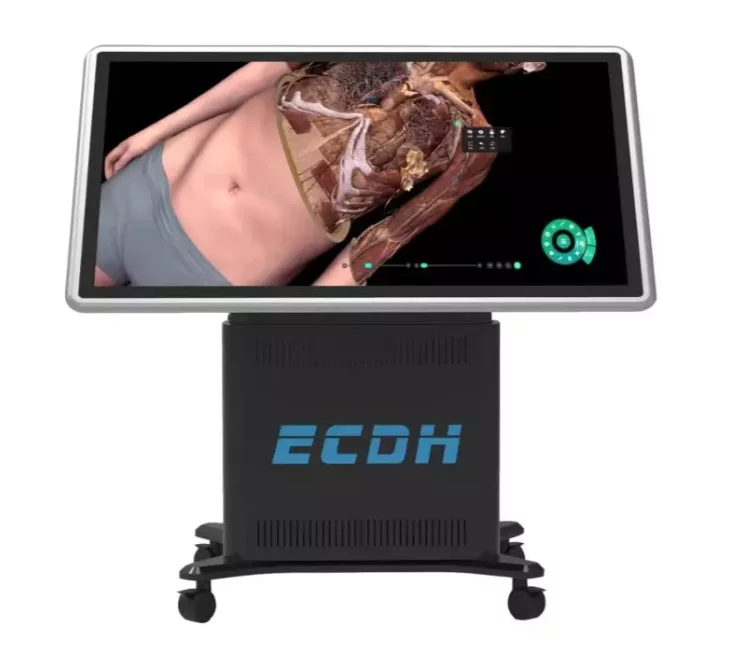
So, do all medical students have to dissect a cadaver? The answer is increasingly nuanced. While many medical schools still consider cadaveric dissection a valuable, irreplaceable experience, a growing number are integrating or substituting it with high-fidelity digital and 3D-printed resources. The reasons are multifaceted: chronic shortages of donated bodies, significant costs for preservation and facility maintenance, ethical concerns, and the variability of specimens which can affect learning consistency. Furthermore, not all healthcare career paths may require the same depth of hands-on dissection skill. DIGIHUMAN directly addresses these challenges. Our HD Digihuman Virtual Anatomy Table is built from real human cross-sectional data, offering a detailed, repeatable, and ethical platform for exploring human anatomy. Students can perform limitless virtual dissections, review pathological variations, and study systems in isolation—all without the practical and ethical constraints of physical cadavers. This doesn’t necessarily eliminate traditional methods but provides a scalable, complementary resource that ensures all students have access to a high-standard anatomical education.
Providing Ethical, Consistent, and Enhanced Learning Solutions
The goal of anatomy education is to create competent, knowledgeable healthcare providers. DIGIHUMAN supports this goal by offering solutions that enhance learning outcomes where cadaver labs fall short. For instance, our systems provide perfect anatomical consistency; every student sees the same precise structures, eliminating the educational inequality caused by variable specimen quality. Our Digihuman VR Anatomy Teaching System offers an immersive, collaborative experience that allows students to “enter” a body and manipulate anatomy in 3D space, building spatial understanding in a way that even physical dissection cannot fully achieve. For tactile learning, our Digihuman 3D Printing Models of specific structures, like the lumbar disc herniation or complete brain combination, offer hands-on study without ethical concerns. As a manufacturer and exporter with our own factory, DIGIHUMAN provides these solutions at competitive price points and with low minimum order quantities, making them accessible for institutions globally. Our products, backed by CE/FCC certifications and developed in collaboration with medical experts, deliver a reliable, modern component of anatomical training.
Conclusion: Embracing a Balanced, Future-Ready Approach
The question of whether all medical students have to dissect a cadaver opens a vital discussion about the future of medical training. DIGIHUMAN believes in a balanced approach, where technology enhances and expands educational possibilities. We provide trusted, innovative tools that help institutions overcome logistical and ethical hurdles, ensure consistent quality, and ultimately prepare students for modern clinical practice. We invite medical schools and educators to explore how our range of virtual and 3D-printed anatomical solutions can complement their curriculum, ensuring robust anatomical education for every student in a responsible and effective manner.

Revolutionizing Medical Education: Understanding the True Value and Human Anatomy VR Price
As pioneers in advanced medical virtualization, we at DIGIHUMAN have witnessed a fundamental shift in how anatomical knowledge is imparted...

Revolutionizing Medical Education: Why Human Anatomy VR for Institutions is Essential
As medical education evolves, the need for innovative and highly accurate teaching tools has never been greater. For years, educators...
Transforming Medical Education: The Power of Anatomy Physiology VR
In the specialized field of medical education, the foundational study of human anatomy and physiology has always been paramount. However,...