
A Foundational Perspective
A comprehensive understanding of the human body requires viewing it from multiple perspectives. While gross anatomy studies whole structures, a deeper layer of insight comes from examining internal relationships through slices. This brings us to a foundational concept: what is cross section anatomy? At DIGIHUMAN, we specialize in transforming this complex, often challenging perspective into a clear and interactive learning experience. Our technology is built on real human cross-sectional data, making us a leading provider of tools that illuminate this crucial dimension of medical education for students and professionals alike.
Defining Cross-Sectional Anatomy and Its Clinical Significance
What is cross section anatomy? Simply put, it is the study of the internal structures of the body as visualized in two-dimensional slices, typically as seen in imaging technologies like CT (Computed Tomography) and MRI (Magnetic Resonance Imaging). These slices—transverse, sagittal, and coronal—reveal the precise spatial relationships between muscles, organs, blood vessels, and bones within a specific plane. Mastery of this subject is no longer optional; it is essential for interpreting medical scans, planning radiotherapy or surgery, and understanding pathological spread. Traditional teaching relies on atlases of cadaveric sections, which are static, limited in number, and cannot be manipulated. DIGIHUMAN directly addresses these limitations. Our core technology is based on continuous real human sectional data with precision from 0.1mm to 1mm. This forms the backbone of our Digihuman Virtual Anatomy Table, where users can navigate through the entire human body in any plane, peeling away layers digitally to understand exactly how a tumor relates to a blood vessel or how a nerve passes through a muscular compartment.
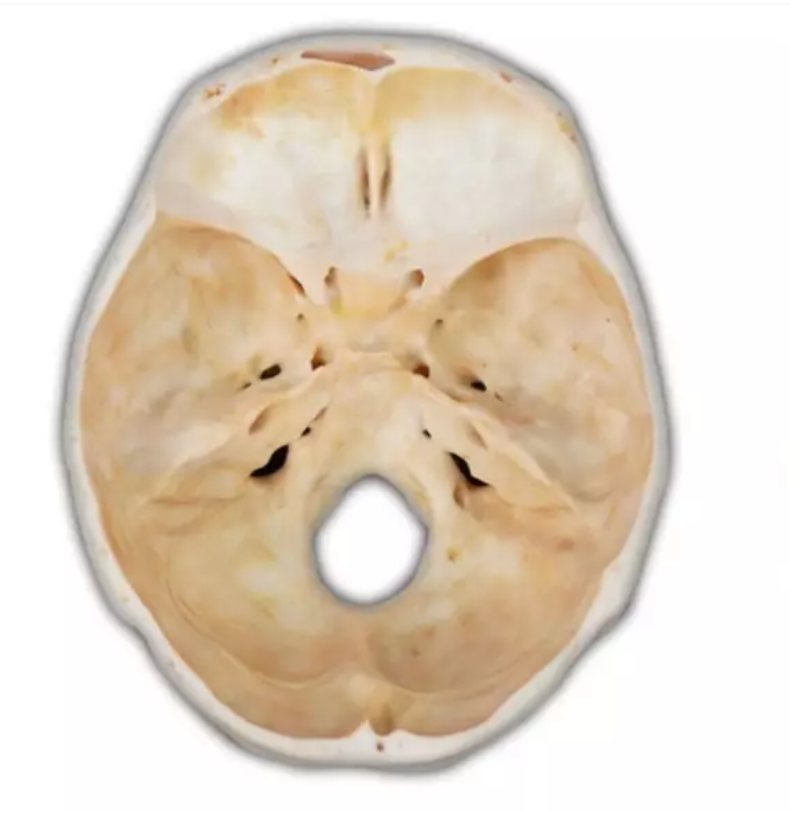
Enhancing Learning with Integrated Digital and Physical Tools
To truly grasp cross-sectional anatomy, learners benefit from a multi-modal approach. DIGIHUMAN provides exactly that. On the digital front, our systems allow for seamless correlation between 3D models and their corresponding cross-sectional views, bridging the gap between gross form and internal architecture. On the physical front, our Digihuman HD Tomography 3D Printing Models offer a revolutionary tactile dimension. These models are printed based on the same high-definition sectional data, allowing educators to hold a physical, detailed slice of anatomy—such as a transverse section of the thorax—in their hands. This combination of virtual exploration and tangible reference is unparalleled for building a robust mental map of human anatomy. As a company with our own R&D team and manufacturing facility, we ensure the fidelity and educational value of every product. Our solutions are trusted globally, with certifications including CE and FCC, and are designed to integrate smoothly into existing curricula, helping institutions teach cross section anatomy with unprecedented clarity and depth.
Conclusion: Building a Dimensional Understanding
A clear answer to what is cross section anatomy is the first step; providing the tools to master it is the next. DIGIHUMAN is dedicated to empowering the next generation of medical professionals with a deep, dimensional understanding of the human body. By leveraging our accurate, interactive, and versatile educational platforms, medical schools and hospitals can ensure their students and staff are proficient in the anatomical language of modern medicine. We invite you to discover how our focus on real sectional data can transform the teaching and learning of this vital subject.

Revolutionizing Medical Education: Understanding the True Value and Human Anatomy VR Price
As pioneers in advanced medical virtualization, we at DIGIHUMAN have witnessed a fundamental shift in how anatomical knowledge is imparted...

Revolutionizing Medical Education: Why Human Anatomy VR for Institutions is Essential
As medical education evolves, the need for innovative and highly accurate teaching tools has never been greater. For years, educators...
Transforming Medical Education: The Power of Anatomy Physiology VR
In the specialized field of medical education, the foundational study of human anatomy and physiology has always been paramount. However,...