
From Single Cell to Complex Organism
The journey of human life, from a single cell to a complex organism, is one of science’s most profound narratives. Understanding this process is not merely academic; it is essential for fields ranging from embryology and pediatrics to genetics and regenerative medicine. A critical starting point for this understanding is to ask: what is developmental anatomy? At DIGIHUMAN, we recognize that grasping this dynamic, time-based branch of anatomy is crucial for medical students. We are committed to providing advanced educational technologies that make the intricate stages of human development visually accessible and deeply comprehensible.
Defining and Understanding Developmental Anatomy
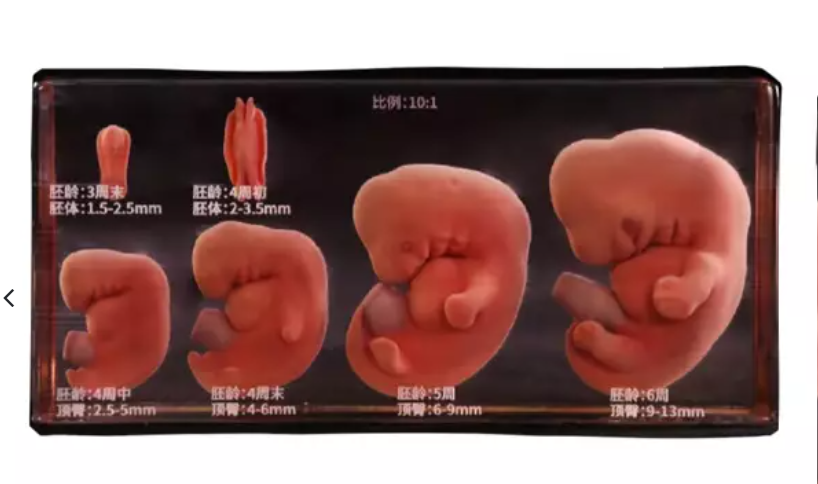
So, what is developmental anatomy? Also known as embryology, it is the specialized field of anatomy that studies the structural formation and growth of an organism from fertilization through birth and into postnatal development. It traces how tissues and organs differentiate, migrate, and integrate to form the body’s systems. This knowledge is pivotal for diagnosing congenital conditions, understanding teratogenic effects, and advancing surgical interventions for the youngest patients. Traditional teaching relies heavily on micrographs and static diagrams of embryos at various weeks, which can fail to convey the continuous, three-dimensional nature of development. This is where DIGIHUMAN’s solutions create a transformative learning experience. Our Digihuman 3D Printing Models, such as the General Embryo and Embryo Aberration series, provide tangible, scaled physical models that allow students to hold and examine critical developmental stages. Furthermore, our Digihuman Virtual Anatomy Table can integrate digital embryology modules, enabling users to interactively explore sequential developmental changes, peel back layers, and understand the spatial relationships between emerging structures in a way static images never could.
Addressing Educational Challenges with Modern Tools
Teaching and learning developmental anatomy present unique challenges due to the subject’s complexity and the ethical sensitivities surrounding embryological specimens. DIGIHUMAN’s products are specifically designed to overcome these hurdles. Our digital and physical tools offer a respectful, detailed, and unlimited resource for study. For instance, a curriculum can utilize our 3D-printed models to compare normal and abnormal cardiac development, followed by a session on the virtual table to animate the flow of blood through these developing structures. This integrated approach, combining tactile 3D prints with interactive software, caters to diverse learning styles and reinforces understanding. As a company with our own hardware factory and dedicated R&D team, we ensure that every product, from software content to the finish of a 3D model, is crafted for educational precision and durability. Our collaborations with leading medical schools ensure the content is pedagogically sound and clinically relevant, providing institutions with a trusted, comprehensive teaching aid.
Conclusion: Building Knowledge for Future Healthcare
A solid grasp of developmental anatomy forms the bedrock for numerous medical specialties. By leveraging DIGIHUMAN’s innovative educational technologies—from our precise 3D printing models to our interactive virtual systems—institutions can elevate their teaching of this vital subject. We empower educators to move beyond textbook descriptions, offering students an immersive journey into the origins of human life itself. We invite medical educators and institutions to partner with us to bring clarity, depth, and innovation to their developmental anatomy curricula.

Revolutionizing Medical Education: Understanding the True Value and Human Anatomy VR Price
As pioneers in advanced medical virtualization, we at DIGIHUMAN have witnessed a fundamental shift in how anatomical knowledge is imparted...

Revolutionizing Medical Education: Why Human Anatomy VR for Institutions is Essential
As medical education evolves, the need for innovative and highly accurate teaching tools has never been greater. For years, educators...
Transforming Medical Education: The Power of Anatomy Physiology VR
In the specialized field of medical education, the foundational study of human anatomy and physiology has always been paramount. However,...