
At DIGIHUMAN, we are excited to share the transformative potential of our Digihuman VR Anatomy Teaching System, a pioneering tool in Virtual Reality Anatomy Education. This system is designed to redefine how anatomy is taught and understood, providing an immersive experience that surpasses traditional educational methods.
An Innovative Approach to Anatomy Education
The Digihuman VR Anatomy Teaching System stands alone in the realm of Virtual Reality Anatomy Education by utilizing advanced 3D reconstruction technology. This innovative system features eight main components: wizard system, multimedia system, graphics and image system, voice system, puzzle system, practices system, Ul system, and interactive system. This wide array of features enables us to create a rich learning environment that engages students on multiple levels.
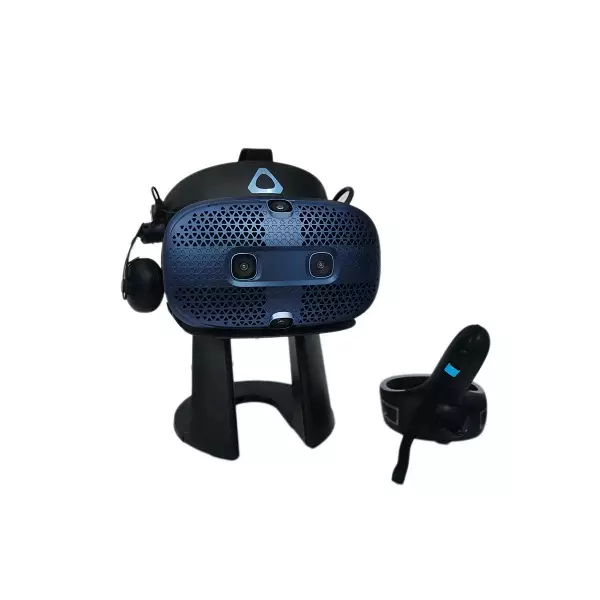
Through the use of VR headsets, hand controllers, and the immersive Vive glasses, users are placed in a dynamic learning atmosphere where they can interact with anatomical structures in real time. Unlike traditional models or textbooks, our system allows students to manipulate and explore virtual cadavers without ethical concerns or limitations inherent in physical specimens. This capacity for hands-on engagement fundamentally enhances understanding, making complex concepts more accessible.
Collaborative Learning Experience
One of the standout benefits of our Digihuman VR Anatomy Teaching System is its multi-person collaborative class mode. This feature makes it ideal for medical institutions and educational venues, enabling professors and students to work together seamlessly. As we navigate through the intricacies of human anatomy, collaboration fosters deeper discussions and collective problem-solving, enhancing the learning experience.
Virtual Reality Anatomy Education not only captivates learners but also promotes active self-directed learning. Students can explore areas of interest at their own pace, encouraging curiosity and promoting motivation. The interactive elements within our software facilitate a more enjoyable educational journey, transforming anatomy lessons into an engaging exploration rather than a passive consumption of information.
Beyond Traditional Tools
The feedback we’ve received highlights a fundamental shift in how students perceive learning anatomy. Our users have reported that the Digihuman VR Anatomy Teaching System is more interesting and engaging compared to conventional teaching tools. The immersive aspect aids in understanding spatial relationships between anatomical structures, a critical skill in medicine and healthcare fields.
In our experiences, students have demonstrated increased retention of knowledge and improved practical skills when using Virtual Reality Anatomy Education. By integrating cutting-edge technology into the classroom, we are setting new standards for educational excellence in the health sciences.
In conclusion, we at DIGIHUMAN believe that the Digihuman VR Anatomy Teaching System is a game-changer in the field of anatomy education. With its emphasis on interactivity, collaboration, and comprehensive learning experiences, it offers an unparalleled educational tool tailored for the needs of modern students and educators alike. We invite you to explore the benefits of this innovative approach and embrace a brighter future in Virtual Reality Anatomy Education.

Revolutionizing Medical Education: Understanding the True Value and Human Anatomy VR Price
As pioneers in advanced medical virtualization, we at DIGIHUMAN have witnessed a fundamental shift in how anatomical knowledge is imparted...

Revolutionizing Medical Education: Why Human Anatomy VR for Institutions is Essential
As medical education evolves, the need for innovative and highly accurate teaching tools has never been greater. For years, educators...
Transforming Medical Education: The Power of Anatomy Physiology VR
In the specialized field of medical education, the foundational study of human anatomy and physiology has always been paramount. However,...